Most people already know roughly what healthy eating looks like. The gap is usually not knowledge but routine: long days, skipped meals and decisions made when everyone is already hungry. This article focuses on practical adjustments that raise your energy without turning mealtimes into a project.
Energy starts with regular meals
Skipping breakfast or working through lunch often leads to an evening crash and late-night snacking. Eating at roughly the same times each day steadies your energy and your appetite, which makes every other choice easier.
If your mornings are rushed, prepare something simple the night before — soaked oats, eggs, fruit with yoghurt, or a smoothie you can pour and take with you.
Build a balanced plate without counting
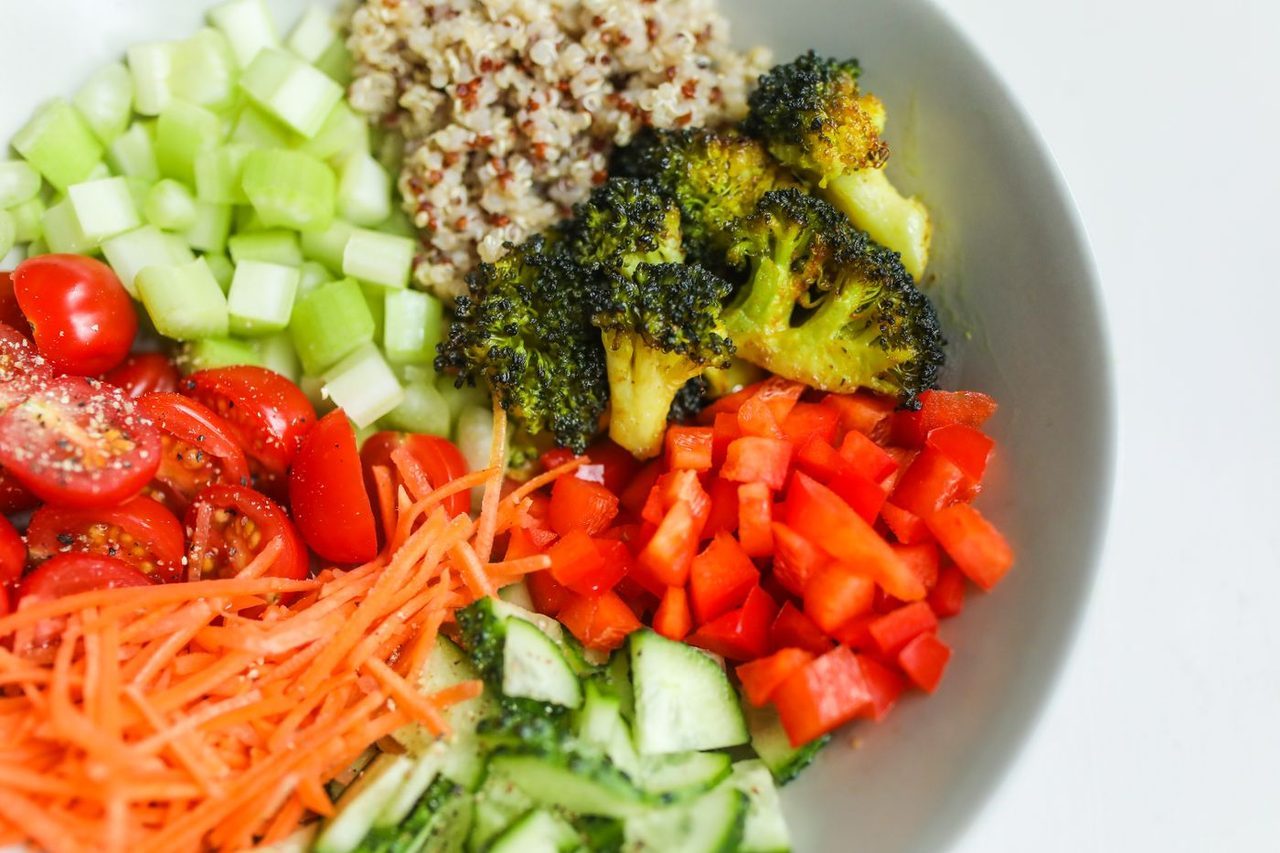
Instead of tracking every gram, use a simple visual: a portion of protein (eggs, fish, chicken, lentils, paneer, tofu or beans), a portion of whole grains or starchy vegetables, and plenty of vegetables or salad. Add a source of healthy fat such as olive oil, nuts or seeds.
This approach travels well — it works at home, in canteens, at restaurants and at family gatherings, which is precisely why it survives real life.
Hydration and fibre, the quiet essentials
Fatigue is often mild dehydration in disguise. Keep water visible and drink with meals. Tea and coffee count towards fluids, but sweetened drinks work against you, so treat them as occasional rather than routine.
Fibre supports digestion, steady blood sugar and a healthy gut. Increase it gradually through vegetables, whole fruit, pulses and whole grains, and give your body time to adjust.
Snacking that works with you
A snack is not a failure — it is a tool. Planned snacks prevent the extreme hunger that leads to rushed choices. Keep easy options ready: fruit, nuts, roasted chickpeas, yoghurt, boiled eggs or vegetable sticks with hummus.
Notice whether you are eating from hunger, habit or emotion. There is no judgement in any of the three; simply naming it helps you respond well.
Routines that survive busy weeks
A little preparation removes most weeknight decisions. Wash and chop vegetables once, cook grains in a larger batch, and keep a couple of quick proteins ready. A simple formula — protein, vegetable, grain — becomes a meal in minutes.
Keep a short list of easy meals your household actually enjoys. Decision fatigue, not lack of skill, is what usually pushes people towards takeaway.
When personalised guidance helps
If you are managing diabetes, high cholesterol, thyroid concerns, pregnancy, food intolerances or a weight goal, general advice may not be enough. A personalised plan accounts for your medical picture, medications and daily routine.
Our wellness and nutrition team builds plans around the food you already eat, then adjusts one habit at a time. That is how changes last long enough to show up in how you feel.
Where to go from here
Reading is a good first step; a conversation is the next one. If any of this sounds familiar, our care team can help you turn these ideas into a plan that fits your life — whether that means a nutrition consultation, a cardio review or a joint assessment.
Want help putting this into practice?
Book a consultation and we will build a plan around your routine, your preferences and your goals.
This article is general information and is not a substitute for personalised medical advice.